 SPIS FACILITIES
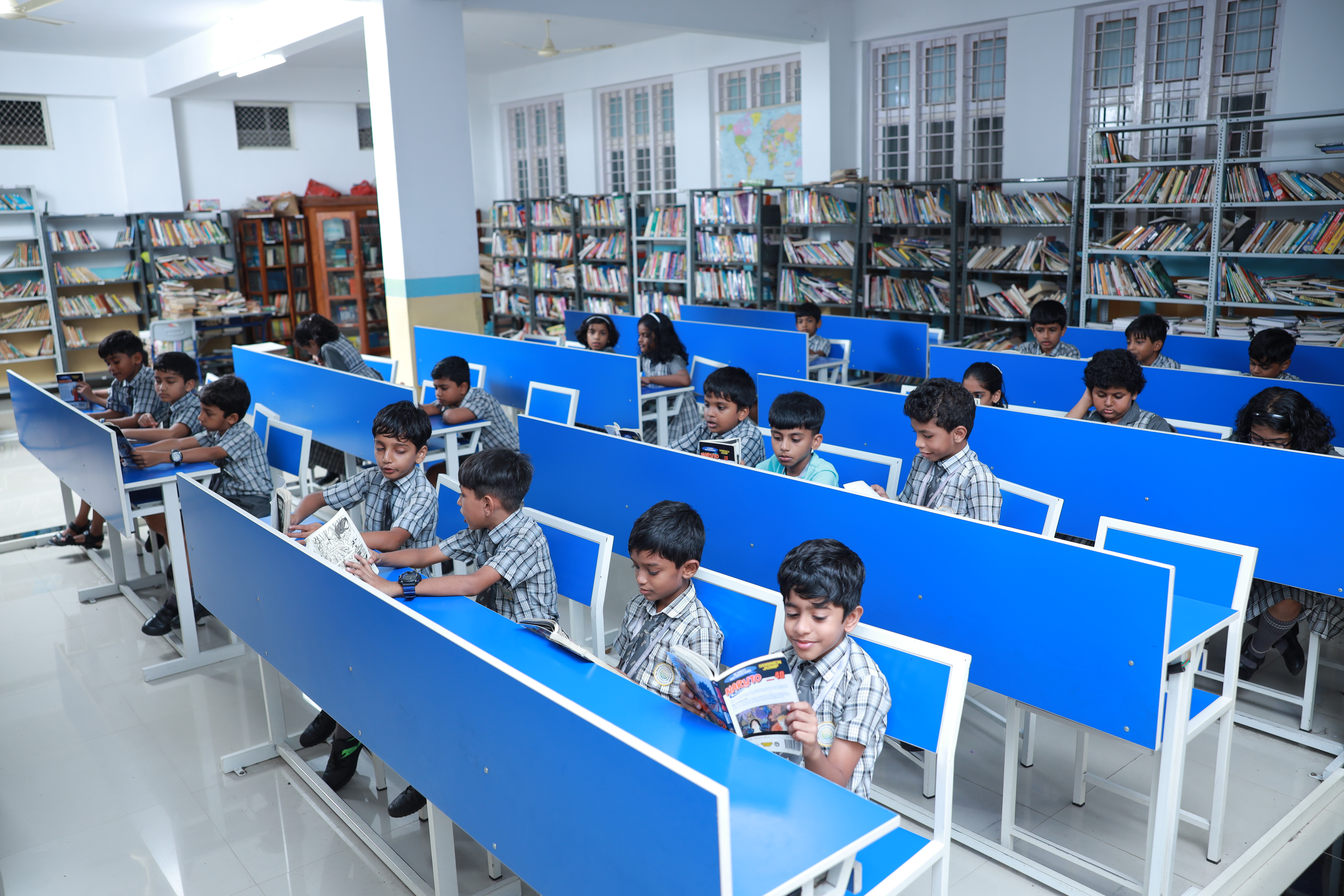
A well-equipped library offers a variety of facilities to enhance the learning experience: Reading Areas: Comfortable spaces with seating options for individual or group study, allowing for quiet reflection or collaborative work. Book Collection: A diverse range of books across genres and subjects, including fiction, non-fiction, reference materials, and textbooks. Librarian Support: Access to knowledgeable librarians who can assist with research, recommend resources, and provide guidance on information literacy.
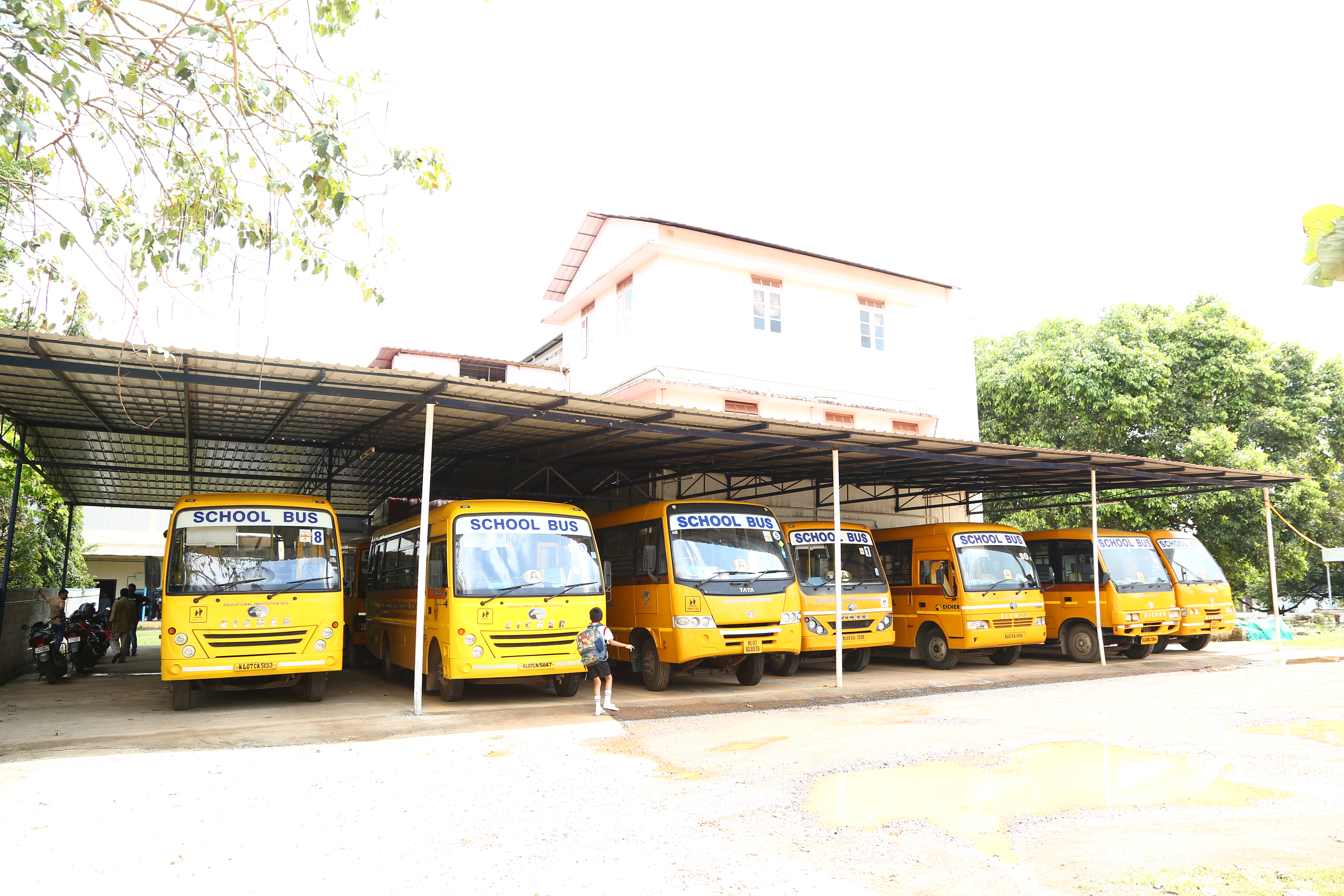
Efficient school transportation is essential for ensuring students arrive safely and on time. Key components include: School Buses: A fleet of well-maintained buses that provide reliable transportation for students, ensuring accessibility for all, including those in remote areas. Routing and Scheduling: Organized routes and schedules designed to maximize efficiency, minimize travel time, and accommodate different school start and end times. Safety Measures: Implementation of safety protocols, including trained drivers, regular vehicle inspections, and safety training for students regarding bus behavior. Drop-off and Pick-up Areas: Designated zones for safe boarding and alighting, minimizing traffic congestion and ensuring student safety. Communication Systems: Tools for notifying parents and guardians of transportation updates, delays, or emergencies, often via apps or automated calls.
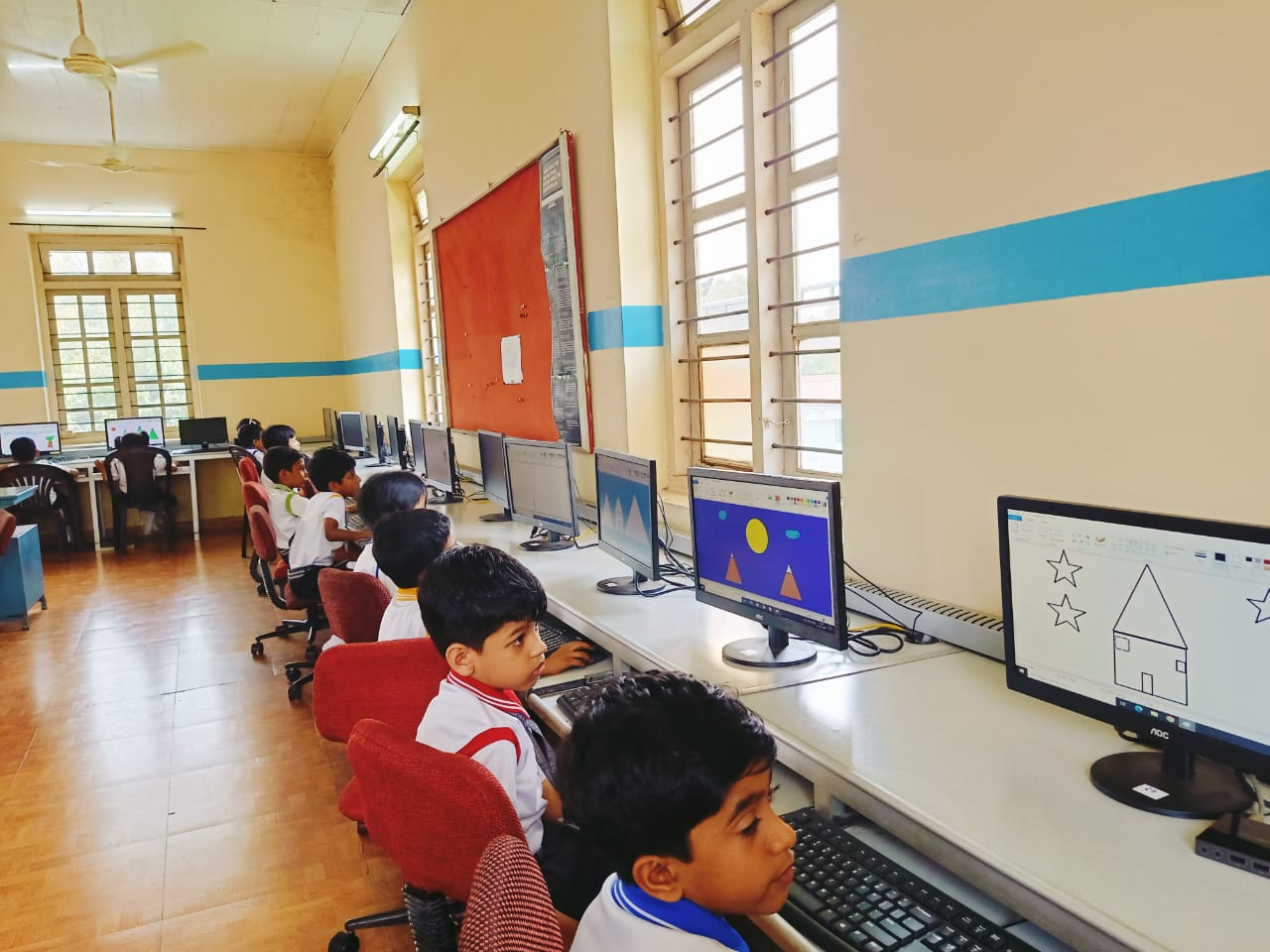
Computer labs are essential for supporting students’ digital learning and skills development. Key features include: Workstations: A number of desktop computers equipped with the latest software and hardware, allowing students to complete assignments and engage in research. High-Speed Internet Access: Reliable and fast internet connectivity to facilitate online research, access educational resources, and support collaborative projects. Scheduled Classes and Open Lab Hours: Structured classes for instruction, along with open lab hours for students to work on projects independently.
● We would love to hear your valuable suggestions / feedback.
Contact Us